
Unmatched Pulling Power – A Guide to Electric Winch Applications and Care
Unmatched Pulling Power – A Guide to Electric Winch Applications and Care
For Immediate Release
The electric winch has evolved from a specialized recovery tool to a fundamental piece of equipment across multiple sectors, offering reliable, motorized pulling power where muscle and machines fall short. From remote wilderness to industrial yards, its ability to provide controlled, high-tensile force makes it an indispensable asset for professionals and adventurers alike.
Versatile Applications: Power Wherever It’s Needed
Modern electric winches are defined by their adaptability. In off-road and automotive recovery, they are the primary tool for self-recovery or aiding stranded vehicles, safely extracting them from mud, sand, or ditches. The marine and boating industry relies on them for launching and retrieving vessels, docking, and handling heavy loads on decks. In agriculture and forestry, winches assist in land clearing, log dragging, and moving heavy equipment. Construction and utility crews utilize them for pulling cables, positioning materials on challenging terrain, and light lifting tasks. Furthermore, they are vital in industrial settings for moving machinery, tensioning lines, and general hauling within workshops and warehouses.
Safety First: Critical Operational Guidelines
The immense force of an electric winch demands respect and strict adherence to safety protocols to prevent equipment failure or serious injury.
1. Capacity & Rigging: Never exceed the winch’s rated pulling capacity. Use a pulley block to double the line pull for heavy loads if needed. Always use appropriate, rated shackles, hooks, and tree straps. Inspect all rigging for wear before each use.
2. Secure Anchoring & Spooling: The anchor point (vehicle, tree, ground anchor) must be substantially stronger than the winch's pulling force. Ensure the cable spools evenly under load; never allow it to pile up on one side. Keep the cable at least five full wraps on the drum during a pull.
3. Controlled Operation: Use the remote control from a safe distance, standing clear of the synthetic rope/steel cable path. Never step over a taut line. Apply slow, steady power; avoid jerking. Use a damper (heavy blanket/coat) on the cable during high-tension pulls to mitigate snap-back.
4. Environmental Awareness: Monitor the winch motor for overheating during sustained use. Allow it to cool between long pulls. Be mindful of the winch’s IP rating; protect electrical connections from excessive water and mud ingress unless specifically designed for it.
Preserving Your Investment: Essential Maintenance
Regular maintenance ensures reliability and extends the winch’s service life significantly.
· Post-Use Care: After use, especially in mud or saltwater, unspool the entire rope/cable and rinse it thoroughly with fresh water. Let it dry completely before re-spooling under light tension.
· Rope/Cable & Drum Inspection: Regularly inspect the synthetic rope for cuts, frays, or abrasion, or the steel cable for kinks and broken strands. Lubricate a steel cable periodically with a light oil. Ensure the drum and hawse fairlead are free of burrs that could damage the line.
· Electrical & Mechanical Check: Keep electrical connections clean, tight, and protected from corrosion. Check battery terminals and winch power leads for secure connections. Periodically check gearbox seals and the clutch mechanism for smooth operation.
· Proper Storage: If unused for extended periods, disconnect the winch from the power source. Store it covered in a dry environment. For long-term storage, consider removing and cleaning the rope/cable separately.
Conclusion
An electric winch is a powerful ally that, when used wisely and maintained diligently, provides security and capability in demanding situations. By understanding its wide range of applications, committing to rigorous safety practices, and performing consistent care, users ensure this powerful tool remains ready and reliable for years to come.
-
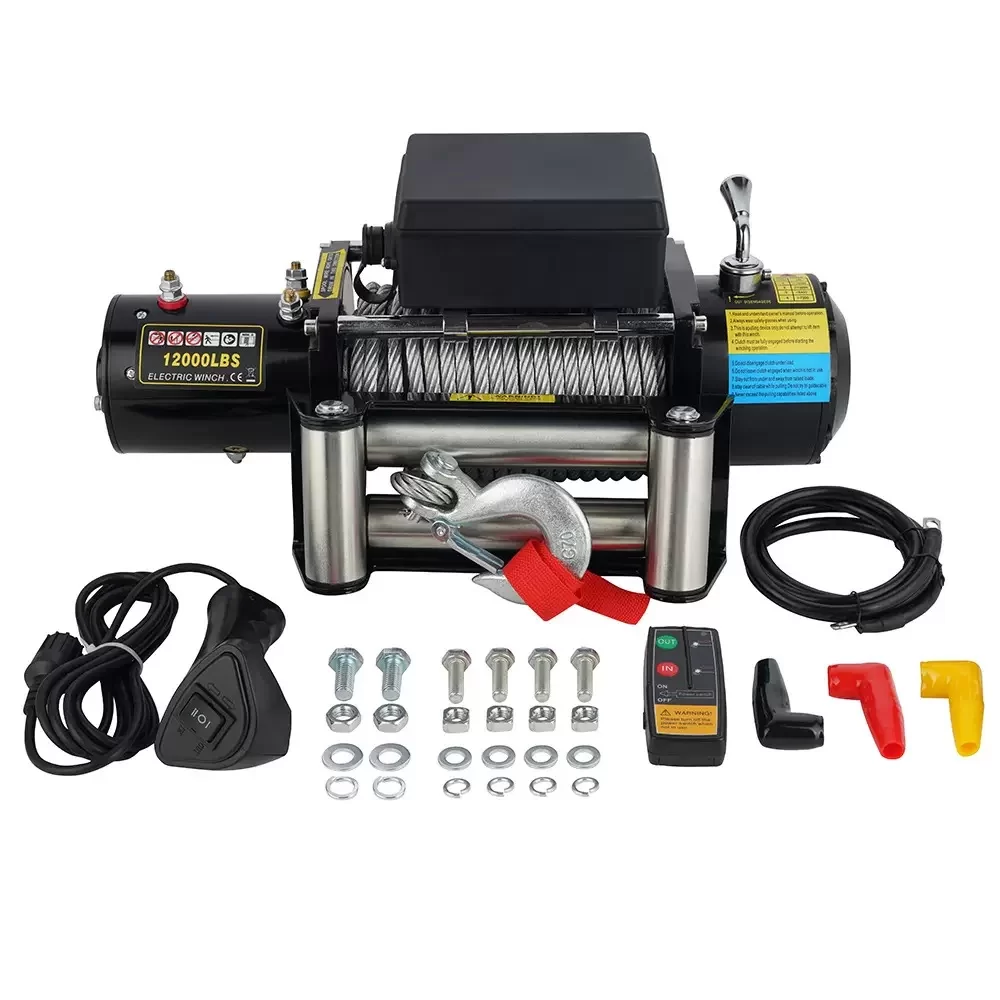 12000lbs Electric Winch with 24V Steel Wire Rope for Autos Anchor Winch for Vehicles
 -
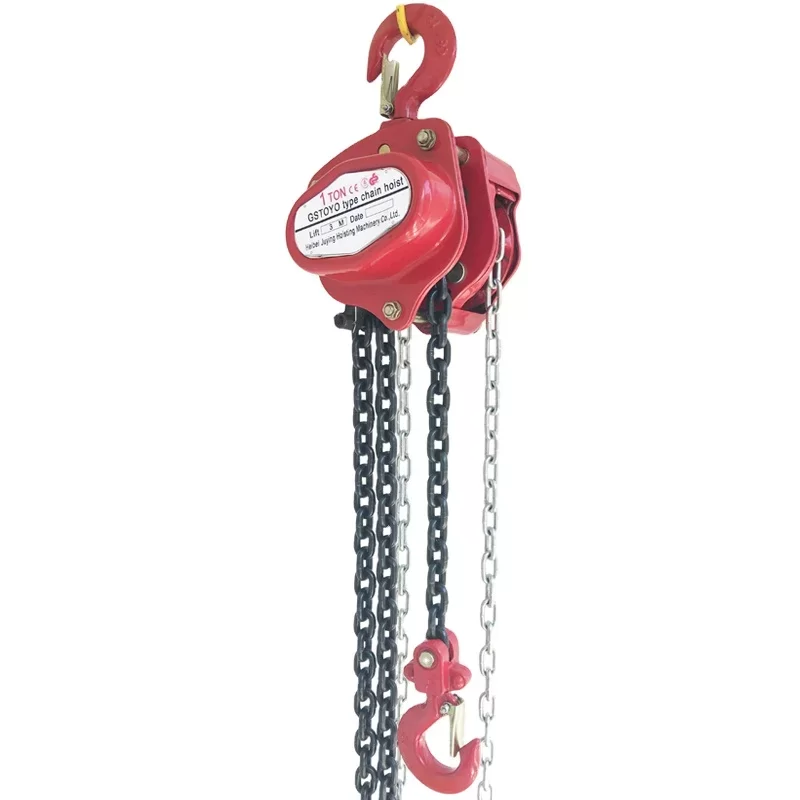 GSToyo Brand 5 Ton Manual Operated Chain Hoist High Quality Lifting Tools Chain Pulley Block
 -
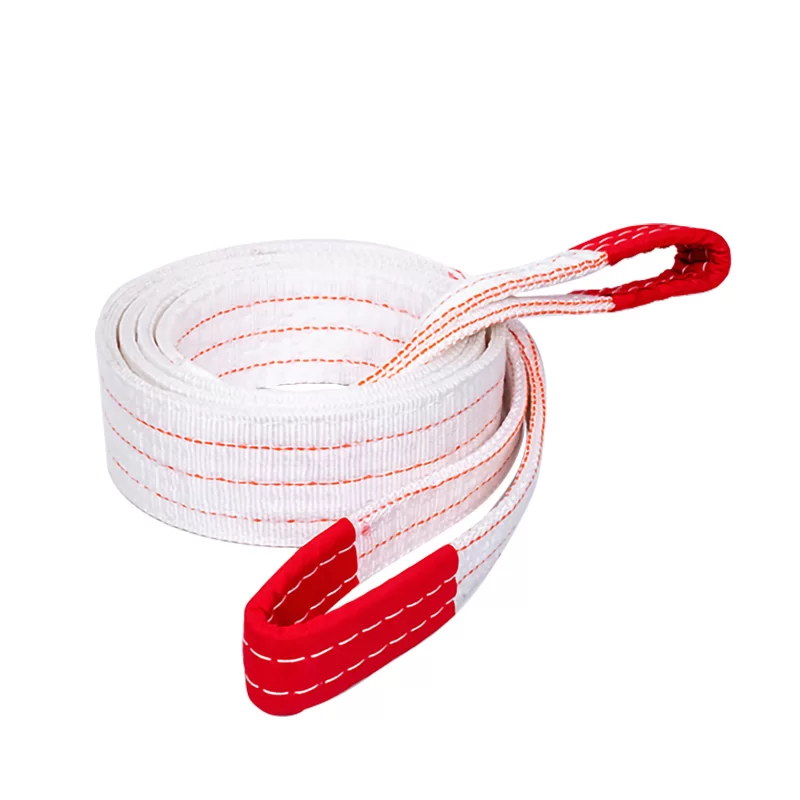 Lifting Crane Belt Flat Type Eye to Eye Webbing Slings 1 Ton with TUV Certificates
 -
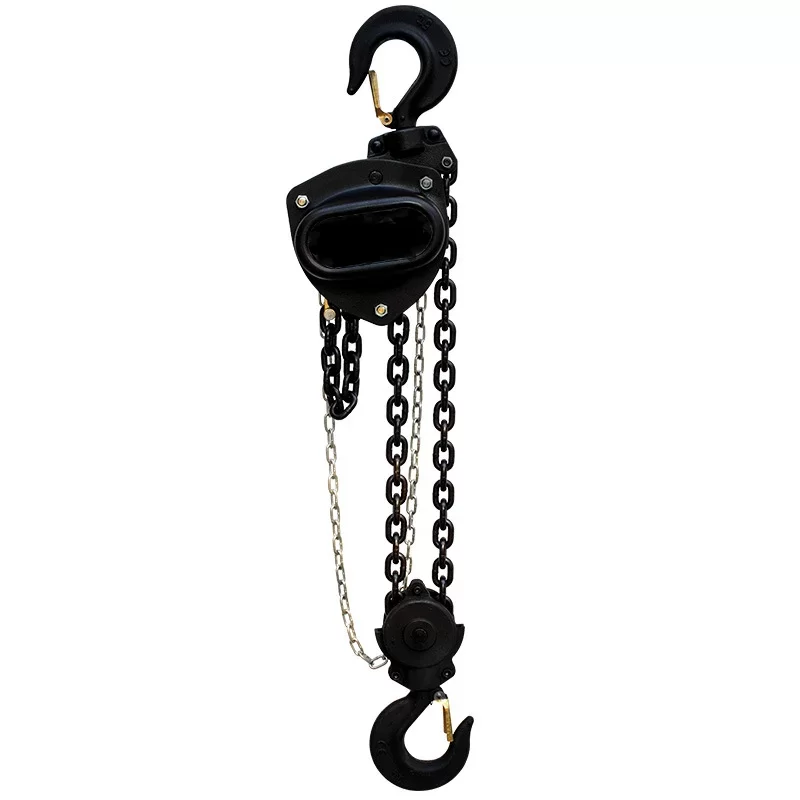 2ton Chain Block 3m Lift Chain Pulley Block
 -
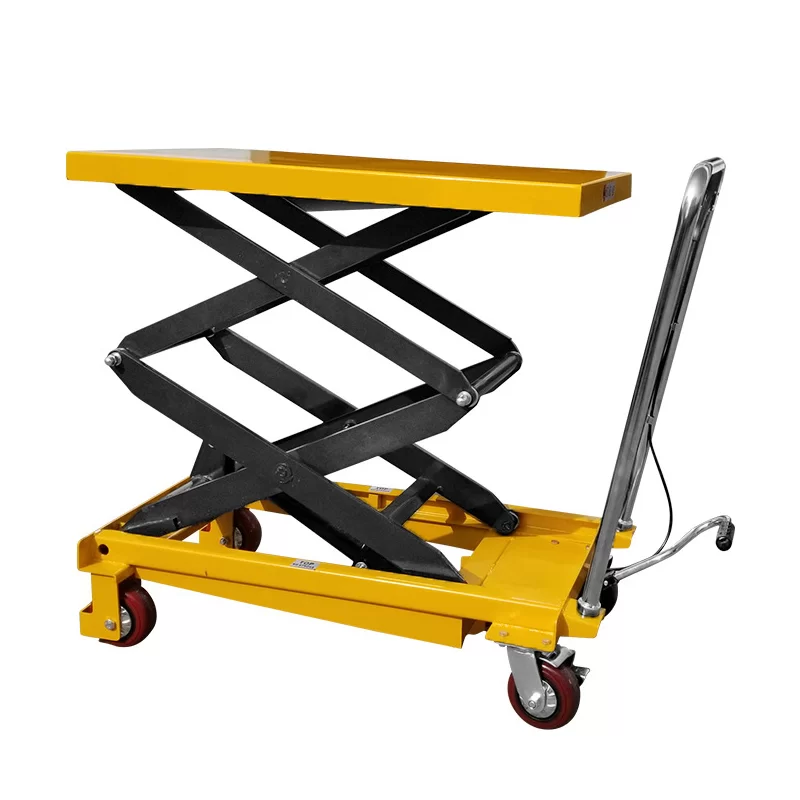 Scissor Table Lift Hydraulic Table Lift
 -
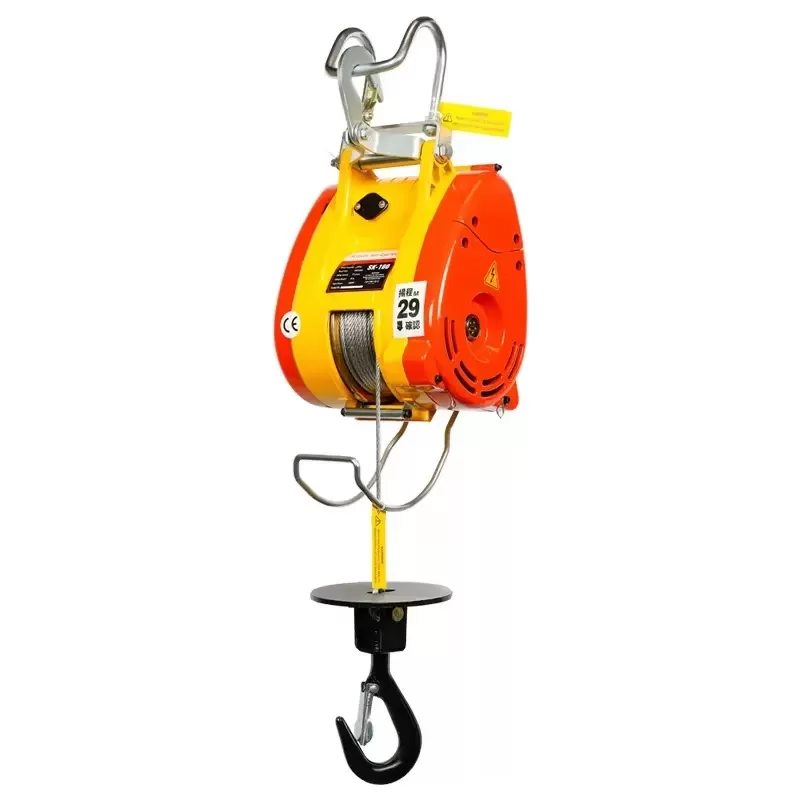 110V 100 Kg /300 Kg /500 Kg Suspend Electric Winch With Wireless Remote Control
 -
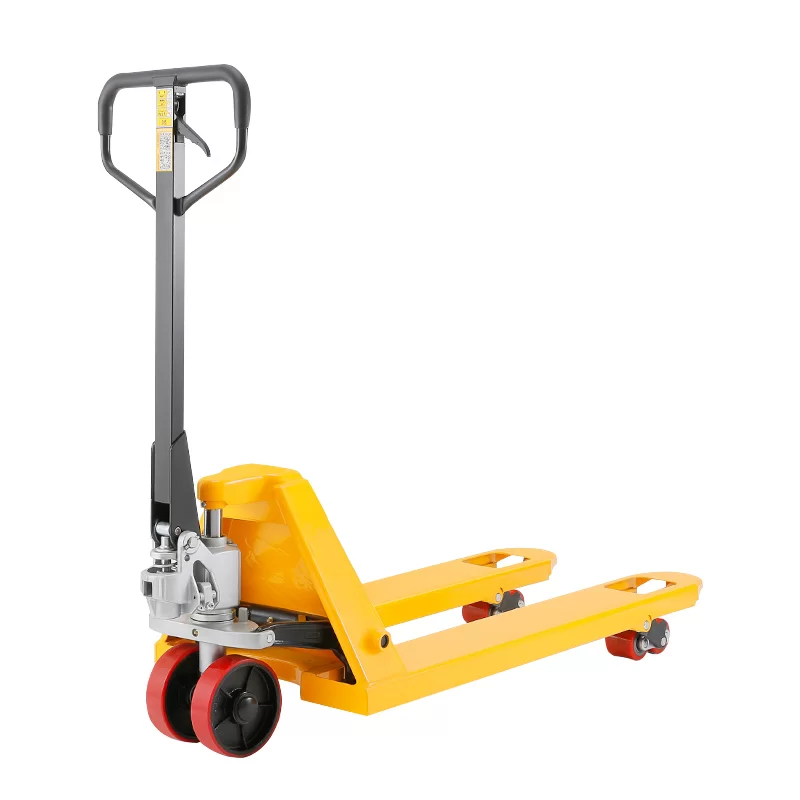 5000kg Hand Pallet Truck Manual Pallet Jack Pallet
 -
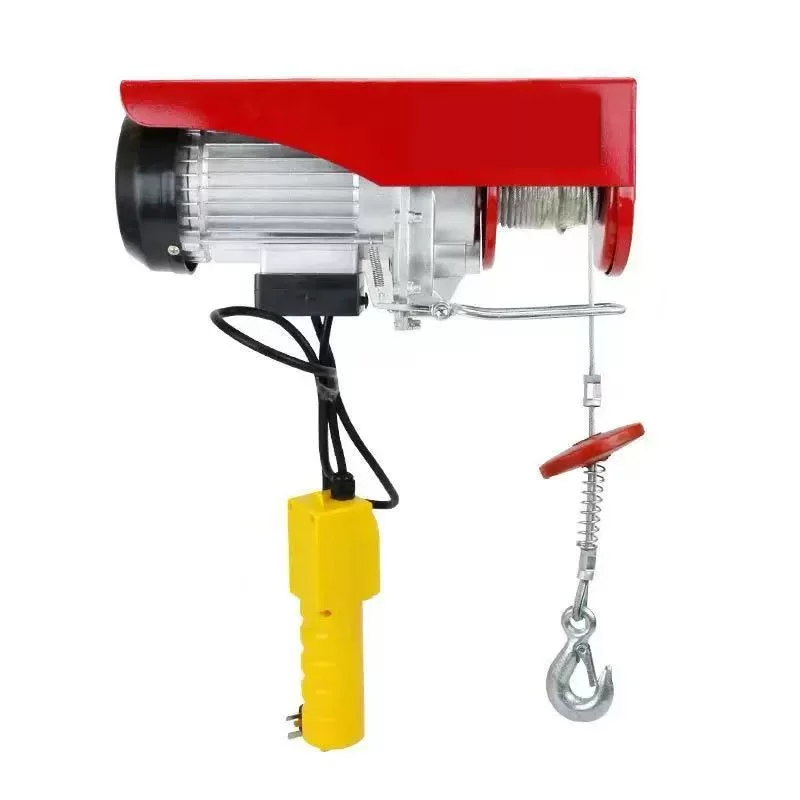 Type Pa1000 110v 220v 230v Wireless Remote Control Mini Micro Wire Rope Electric Hoist
-
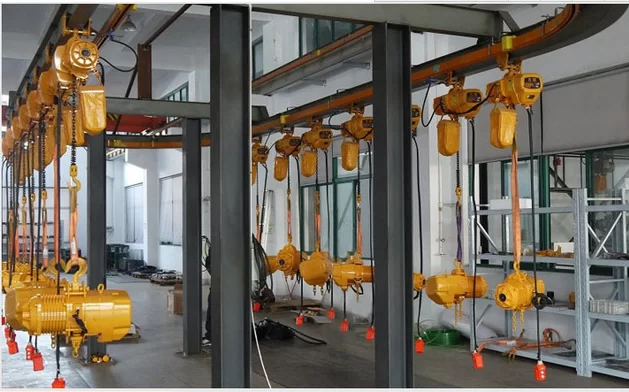 January 14, 2026The Durable Workhorse – Mastering Efficiency with Electric Chain Hoists
In the world of material handling, where reliability is paramount, the electric chain hoist stands as a proven and versatile champion. Bridging the gap between manual lifting and large-scale crane systems, these robust tools deliver power, precision, and durability for countless industrial, commercial, and construction applications.
-
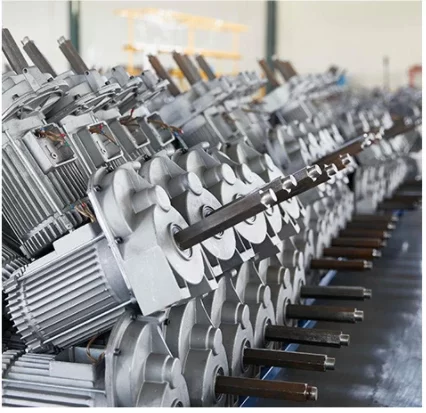 March 02, 2026New Aluminum Shell Electric Hoist Launched
Hebei Juying, a leading lifting equipment supplier, has launched a new aluminum shell electric hoist, aiming to upgrade material handling efficiency for global industrial users. This compact, high-performance hoist addresses key pain points of traditional steel-shell models, including heavy weight and overheating issues.
-
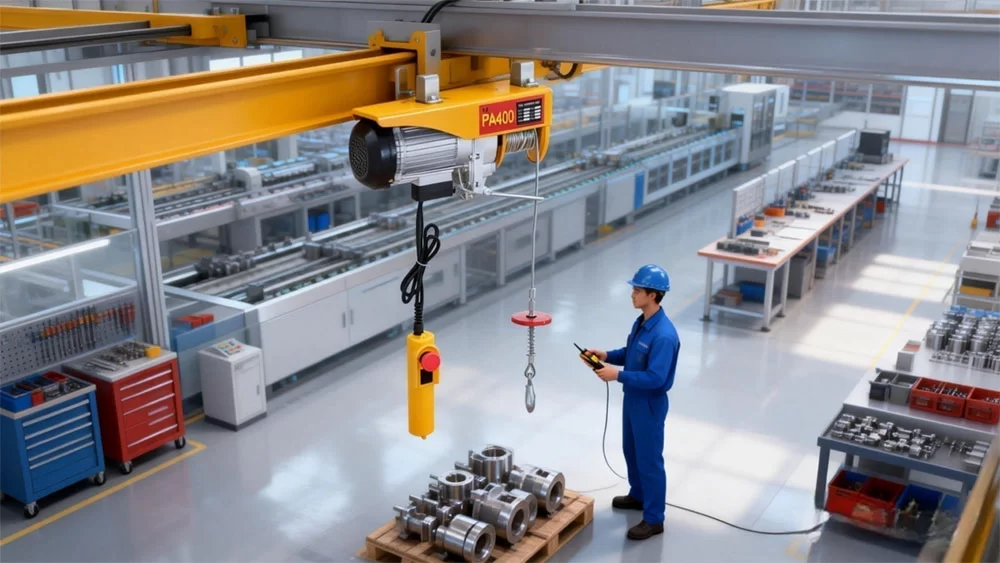 January 14, 2026The Compact Powerhouse – Unveiling the Versatility and Care of Mini Wire Rope Electric Hoists
In the landscape of modern tools, where precision meets efficiency, the mini wire rope electric hoist has established itself as an indispensable asset across diverse sectors. Moving beyond the brute force of larger industrial cranes, these compact units offer a unique blend of smooth operation, clean handling, and reliable power for light to medium-duty lifting. Their growing popularity underscores a shift towards smarter, more adaptable material handling solutions in constrained spaces.
Let’s Build Your Ideal Lifting Plan
Get a free quote or consult specs—message us right away!


