
The Durable Workhorse – Mastering Efficiency with Electric Chain Hoists
The Durable Workhorse – Mastering Efficiency with Electric Chain Hoists
For Immediate Release
In the world of material handling, where reliability is paramount, the electric chain hoist stands as a proven and versatile champion. Bridging the gap between manual lifting and large-scale crane systems, these robust tools deliver power, precision, and durability for countless industrial, commercial, and construction applications.
Versatile Applications: Strength Where It’s Needed
The electric chain hoist finds its purpose in environments demanding rugged performance. In manufacturing and assembly plants, it is indispensable for moving components, positioning machinery, and handling materials on production lines. Construction sites rely on it for lifting steel beams, concrete forms, and building supplies. Warehouses and repair facilities utilize it for loading/unloading, equipment maintenance, and engine pulling. Its durability also makes it suitable for shipyards, mining operations, and foundries, where it handles demanding tasks in challenging conditions. From stage rigging in theaters to vehicle recovery in auto shops, its utility is nearly universal.
Safety First: Non-Negotiable Operational Protocols
Safe operation is the cornerstone of productivity. Adherence to these guidelines is critical:
1. Capacity Awareness: Never exceed the hoist’s rated load capacity. Ensure the load weight includes all slings and attachments.
2. Rigorous Inspection: Conduct a pre-use check every time. Examine the load chain for stretch, twists, gouges, or excessive wear. Inspect the hook for cracks or deformation. Verify that safety latches are functional and limit switches operate correctly.
3. Secure Mounting & Operation: The hoist must be mounted to a structurally adequate support. Center the load, lift vertically, and avoid shock loading or side-pulling. Keep all personnel clear of the suspended load. Never use the hoist for personnel lifting.
4. Environmental Considerations: Be mindful of surroundings. Avoid contact with chemicals that could degrade the chain. Do not operate in potentially explosive atmospheres unless the hoist is specifically rated for such use.
Preserving Performance: Essential Maintenance Guide
Proactive care ensures longevity and safety:
· Regular Inspection: Implement a formal schedule for frequent (daily/weekly) and periodic (monthly/annually) inspections as per the manufacturer’s manual and OSHA/ASME standards. Document all findings.
· Chain Lubrication: Keep the load chain properly lubricated with a suitable grade of oil to minimize internal wear and protect against corrosion. Wipe off old lubricant and debris before re-applying.
· Mechanical & Electrical Care: Follow guidelines for gearbox lubrication. Keep motors, brakes, and electrical components clean, dry, and free of dust. Ensure all electrical connections are tight.
· Professional Servicing: Schedule annual maintenance with a qualified technician to inspect internal mechanisms, brake wear, and structural integrity.
· Proper Storage: When not in use for extended periods, store the hoist in a clean, dry location to prevent corrosion.
Conclusion
The electric chain hoist remains a fundamental tool for efficient and safe lifting. By understanding its broad capabilities, enforcing strict safety measures, and committing to disciplined maintenance, businesses can maximize its service life, ensure worksite safety, and achieve sustained productivity gains.
-
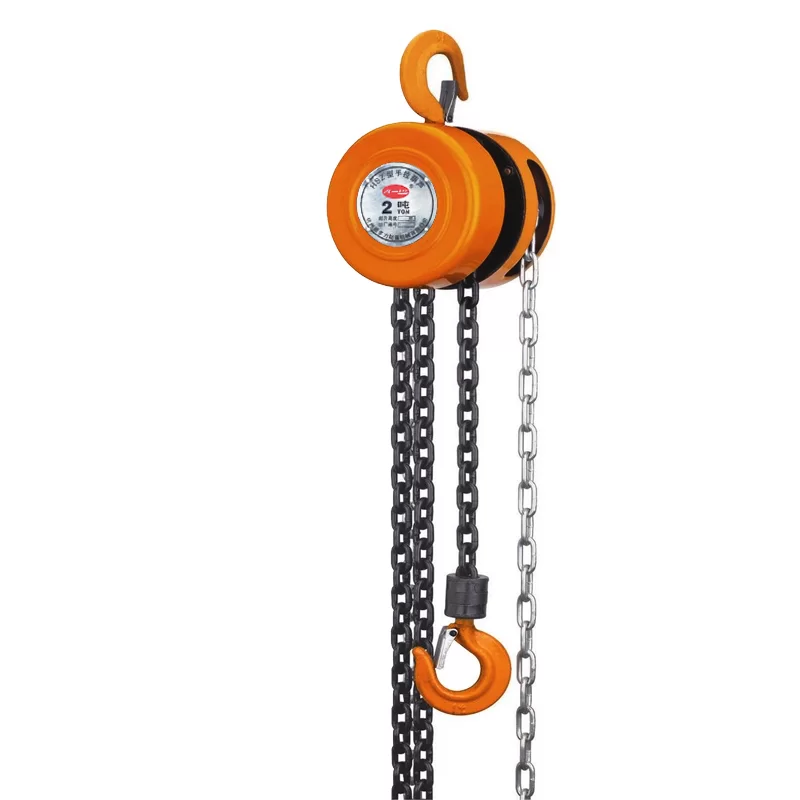 High Quality 2 Ton Chain Pulley Block Manual Chain Hoist Construction Hoist
 -
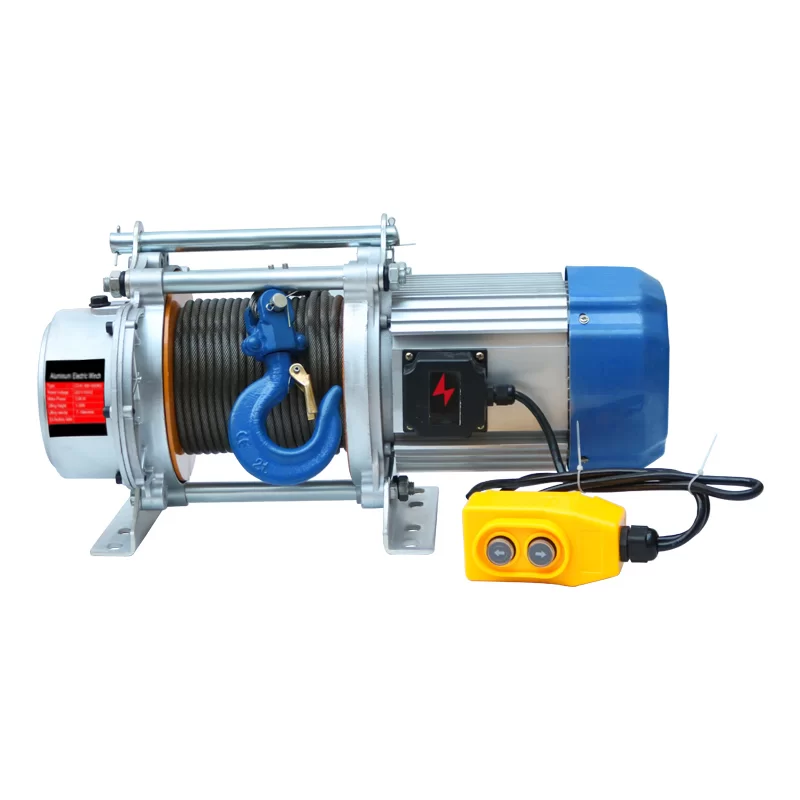 New 1 Ton Electric Hoist with 30m-100m Lifting Range Small 220v Electric Winch Aluminum Shell Wire Rope Sling for Goods
 -
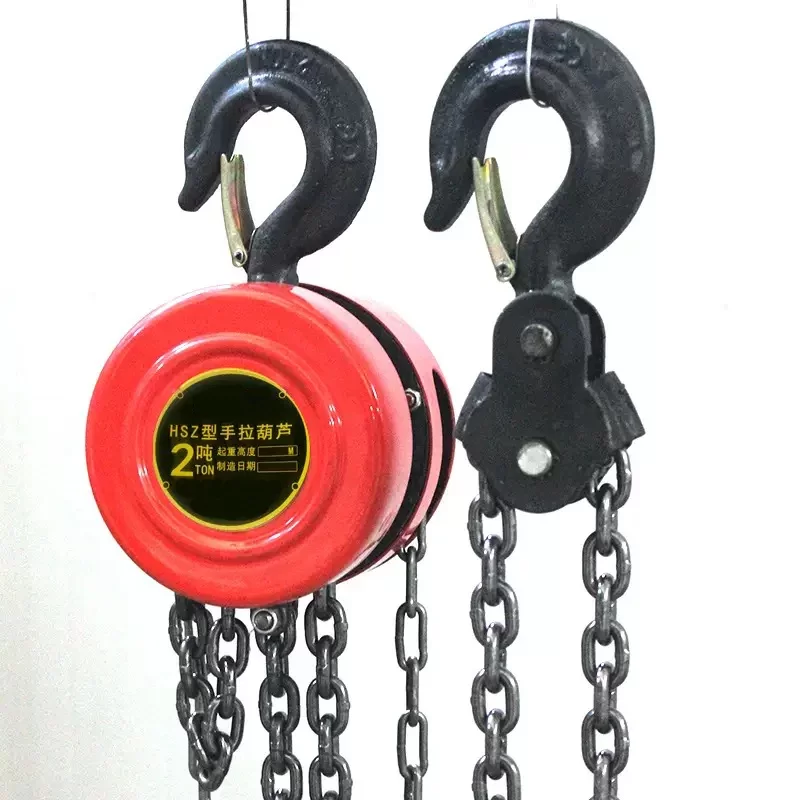 Hand Operated Chain Block Parts HSZ Type Chain Hoist
 -
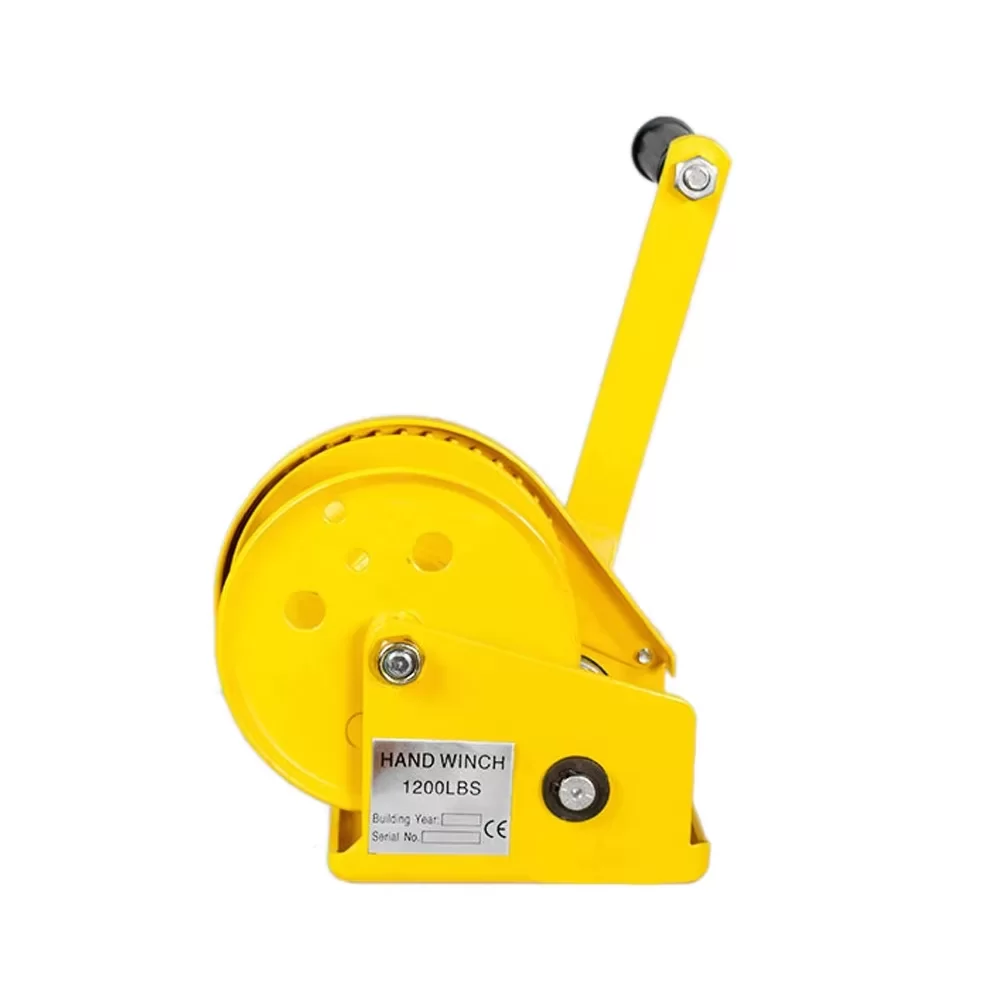 2600 Lbs High Tenacity Boat Geared Hand Winch, Hand Crank Capstan
 -
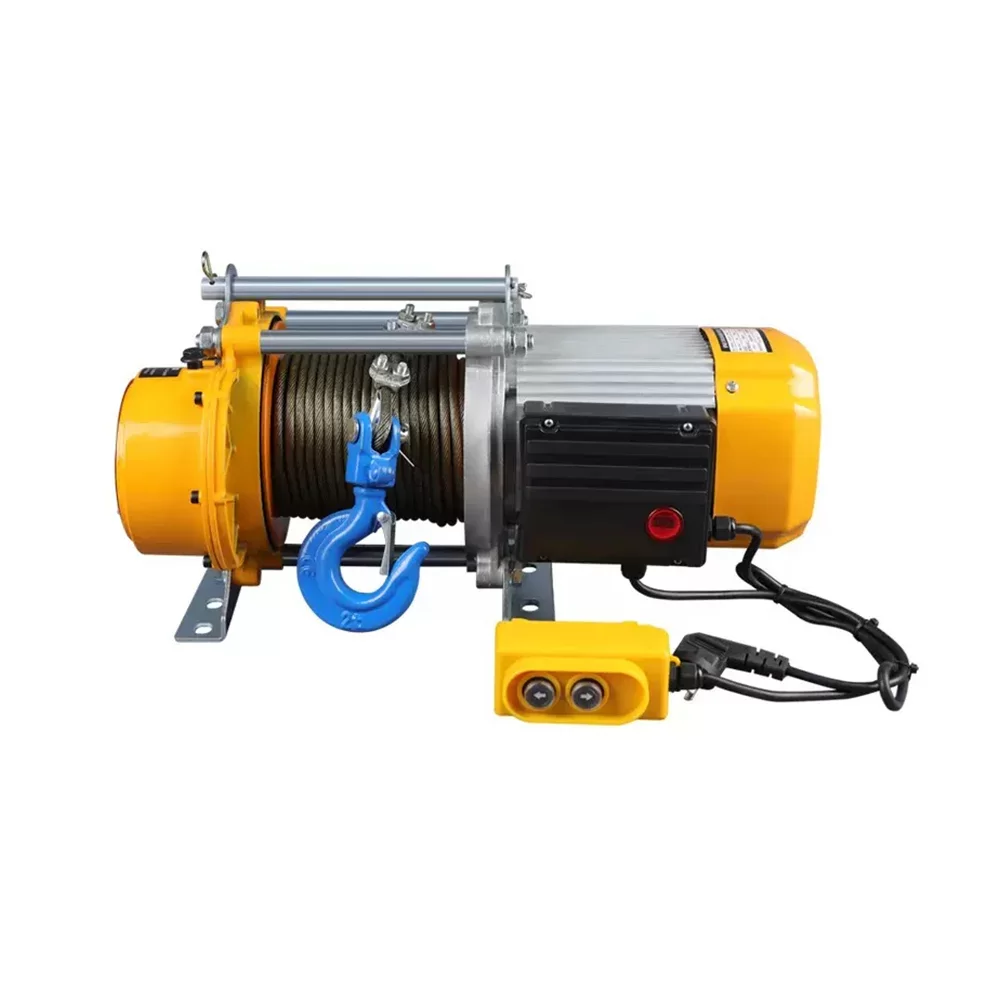 Electric Hoist with the 400kg Capacity Aluminum Shell Electric Winch
 -
 10 Ton Industrial Lifting Belt Safety Web Sling Round Webbing Slings
 -
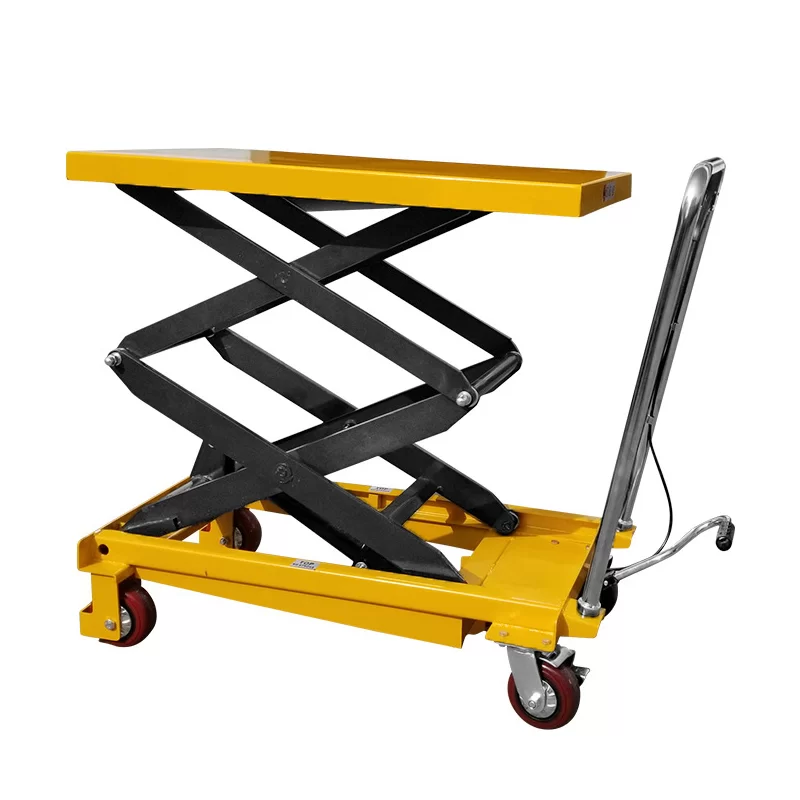 Scissor Table Lift Hydraulic Table Lift
 -
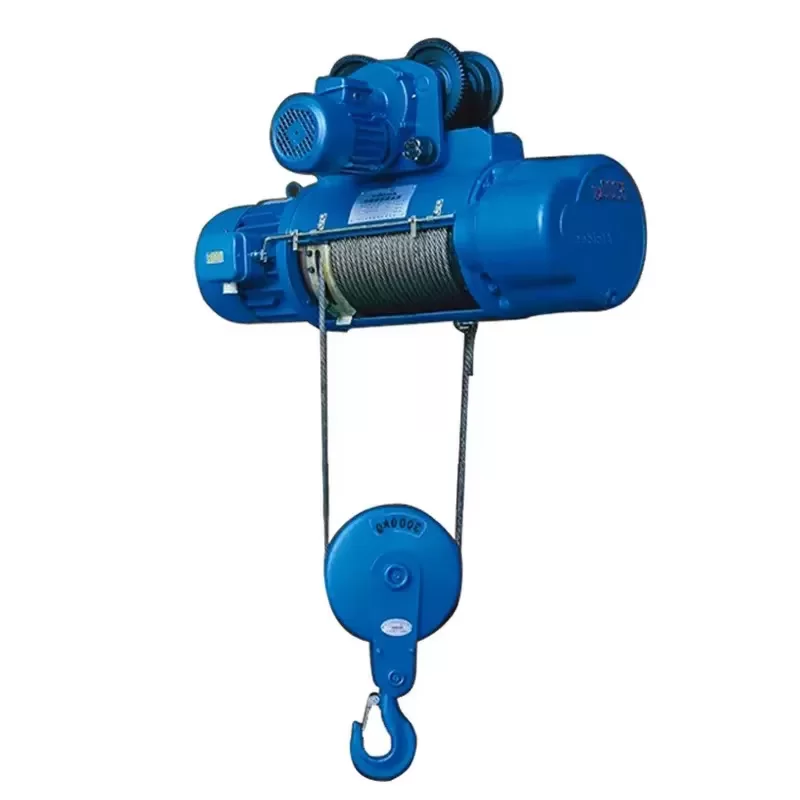 Low Cost 220V Electric Wire Rope Hoist Mini Explosion Proof for Construction
-
 January 14, 2026Unmatched Pulling Power – A Guide to Electric Winch Applications and Care
The electric winch has evolved from a specialized recovery tool to a fundamental piece of equipment across multiple sectors, offering reliable, motorized pulling power where muscle and machines fall short. From remote wilderness to industrial yards, its ability to provide controlled, high-tensile force makes it an indispensable asset for professionals and adventurers alike.
-
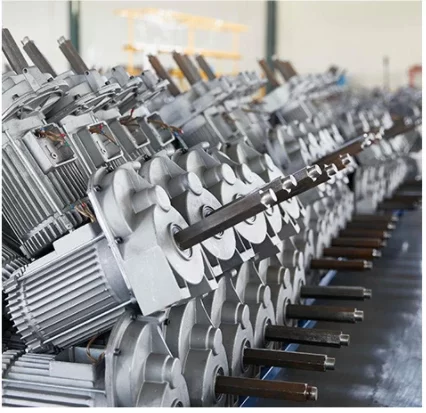 March 02, 2026New Aluminum Shell Electric Hoist Launched
Hebei Juying, a leading lifting equipment supplier, has launched a new aluminum shell electric hoist, aiming to upgrade material handling efficiency for global industrial users. This compact, high-performance hoist addresses key pain points of traditional steel-shell models, including heavy weight and overheating issues.
-
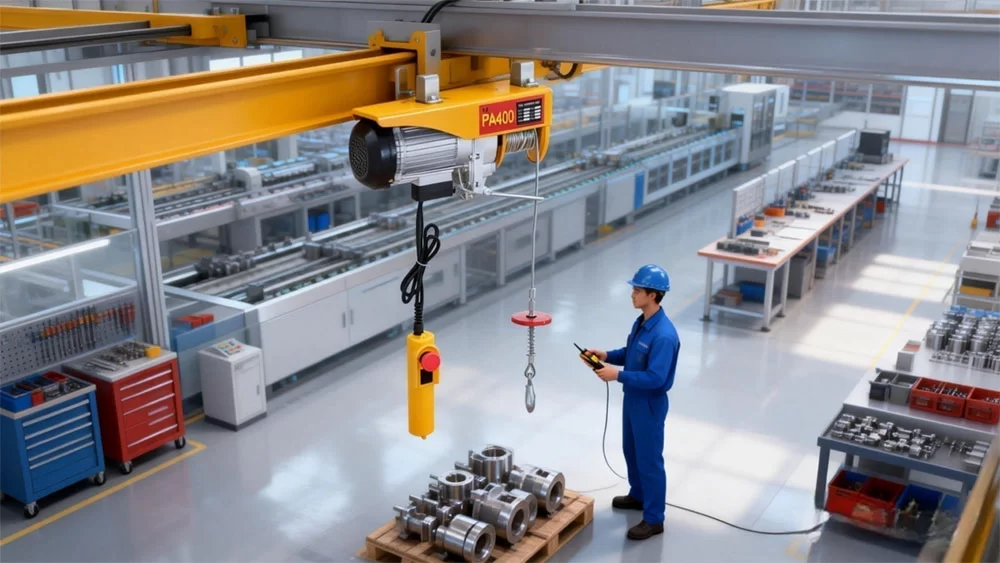 January 14, 2026The Compact Powerhouse – Unveiling the Versatility and Care of Mini Wire Rope Electric Hoists
In the landscape of modern tools, where precision meets efficiency, the mini wire rope electric hoist has established itself as an indispensable asset across diverse sectors. Moving beyond the brute force of larger industrial cranes, these compact units offer a unique blend of smooth operation, clean handling, and reliable power for light to medium-duty lifting. Their growing popularity underscores a shift towards smarter, more adaptable material handling solutions in constrained spaces.
Let’s Build Your Ideal Lifting Plan
Get a free quote or consult specs—message us right away!


